
The Growing Importance of Professional Fire Watch Services for Continuous Risk Prevention
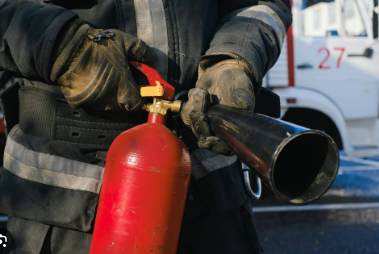
Fire safety has become a critical priority for commercial properties, construction sites, and industrial facilities where risks can emerge unexpectedly. In environments where alarms, sprinklers, or monitoring systems are temporarily unavailable, reliable Fire Watch Companies play a vital role in maintaining constant vigilance and ensuring immediate response to potential fire hazards. Their presence is not only a regulatory requirement in many cases but also a proactive safety measure that protects lives, assets, and business continuity. As urban infrastructure expands and high-risk operations increase, the demand for structured fire watch support continues to grow steadily across multiple sectors.
Industry safety observations indicate that a significant percentage of fire-related incidents in commercial zones escalate due to delayed detection rather than immediate ignition. Reports from safety compliance audits suggest that continuous human monitoring can reduce response delays by up to 60%, particularly in environments undergoing maintenance or system downtime. This highlights the importance of having trained personnel who can actively patrol, identify hazards, and report risks in real time. Fire watch services are especially essential in construction zones, welding areas, data centers, and manufacturing plants where temporary risks are more frequent and unpredictable.
The operational framework of fire watch services is built on consistent monitoring and detailed reporting. Trained personnel conduct scheduled patrols, document irregularities, and maintain communication with emergency response teams when necessary. Their responsibilities often include checking electrical panels, identifying combustible material buildup, and ensuring clear evacuation pathways. Many organizations also rely on digital logging systems to maintain transparency and compliance records. The effectiveness of these services lies in their ability to act as both a preventive and responsive layer of protection, bridging the gap when automated systems are offline or insufficient.
From a compliance perspective, fire watch implementation supports adherence to local safety codes and insurance requirements. Regulatory bodies in many regions mandate fire watch presence during system failures, renovation work, or high-risk operations. Beyond compliance, businesses benefit from reduced liability risks and improved workplace safety culture. Studies show that workplaces with active fire monitoring protocols experience fewer emergency escalations and faster incident containment rates. Ultimately, investing in professional fire watch support is not just about meeting regulations but about building a safer operational environment where risks are continuously managed and minimized.