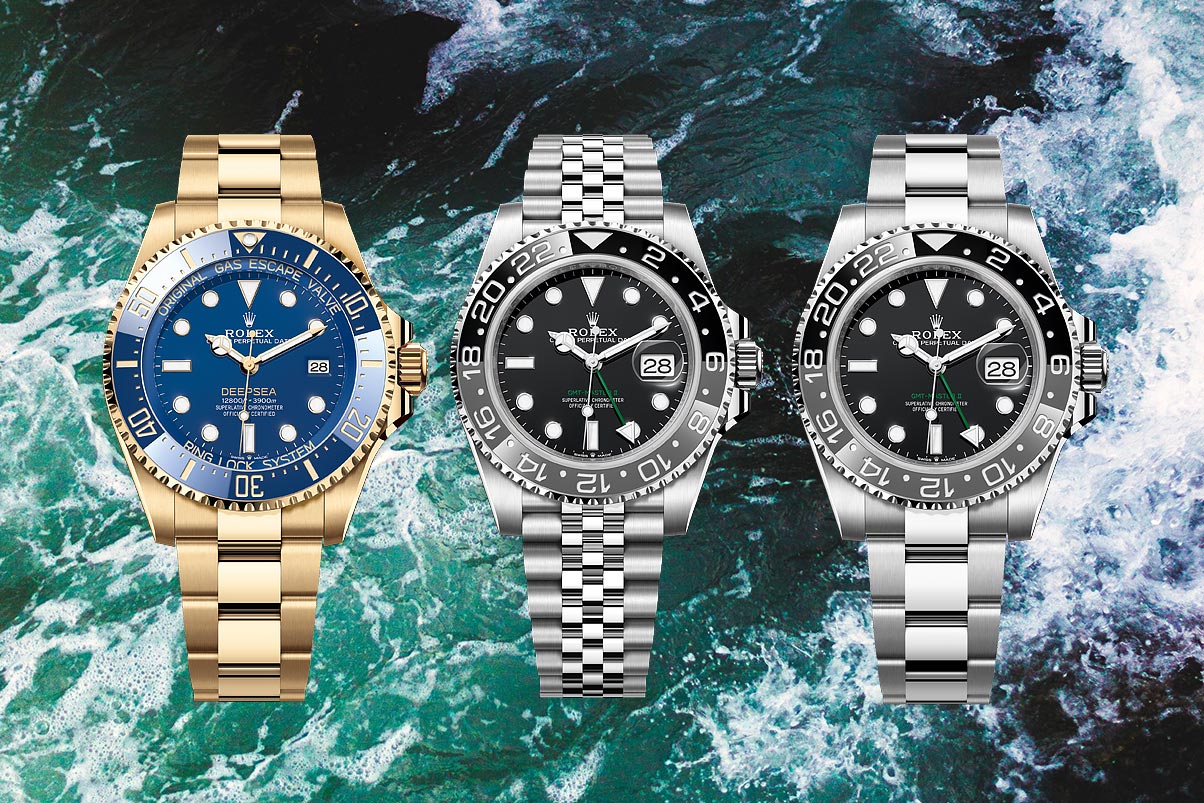

Why Fake Rolex Watches Are So Common Today: Market Insights and Consumer Trends
Luxury watches have always represented status, craftsmanship, and heritage. However, in today’s global marketplace, imitation products have become increasingly visible. Among them, fake rolex watches continue to appear across various online and offline channels, driven by demand, accessibility, and evolving manufacturing networks. The rise of digital marketplaces and social media marketing has made it easier for counterfeit goods to reach consumers who are often unaware of authenticity differences. Understanding why this trend exists requires a closer look at economics, consumer behavior, and global supply chains affecting luxury goods.
Market Overview and Global Demand Patterns
In recent years, studies from trade monitoring organizations estimate that counterfeit luxury goods account for hundreds of billions in annual global circulation. Watches remain one of the most replicated product categories due to their high resale value and brand recognition. The demand is fueled by consumers seeking luxury appearance at lower prices, often without understanding legal or quality implications. Additionally, online platforms have reduced barriers for sellers, making distribution faster and harder to regulate. This environment has contributed significantly to the spread of imitation timepieces worldwide.
Why Counterfeit Watches Are So Widespread
The widespread presence of imitation watches can be linked to multiple economic and technological factors. Production costs for counterfeit items are relatively low, allowing manufacturers to scale quickly. At the same time, global shipping networks and e-commerce platforms provide easy access to international buyers. Social influence also plays a role, as some consumers prioritize appearance over authenticity. Rapid advancements in manufacturing technology have further narrowed the visual gap between real and fake products, making detection increasingly difficult for average buyers.
Risks and Consumer Awareness in the Modern Market
Despite their availability, counterfeit watches present several risks for consumers. These include poor build quality, lack of warranty, and potential legal consequences in certain regions. Additionally, supporting counterfeit markets can indirectly harm legitimate industries that invest heavily in design and innovation. Experts emphasize the importance of awareness, advising buyers to verify authenticity through authorized sources and trusted dealers. Increasing educational campaigns and digital verification tools are helping reduce misinformation, but challenges remain due to the scale and sophistication of counterfeit networks.
Conclusion: Understanding Market Behavior
Fake luxury watches continue to circulate widely due to a combination of demand, technology, and global trade accessibility. While they may appear attractive to cost-conscious buyers, the long-term drawbacks often outweigh short-term savings. Greater awareness, improved regulation, and consumer education are essential to addressing this growing issue. As markets evolve, both buyers and industry stakeholders must prioritize transparency and authenticity to maintain trust in luxury goods sectors and protect the integrity of craftsmanship worldwide. Continuous monitoring and consumer vigilance remain key factors in reducing counterfeit circulation in the luxury watch market over time and ensuring sustainable industry growth worldwide through consistent enforcement and awareness programs.