
Choosing the Right Fire Watch Guards for Your Facility
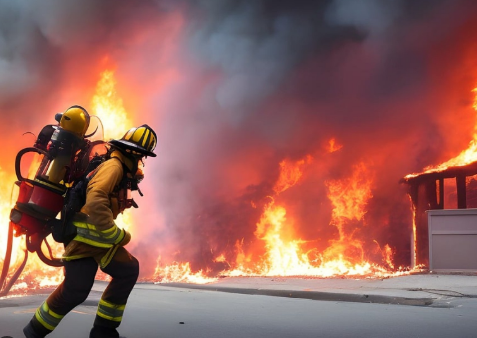
Fire safety is a critical component of workplace protection, and choosing the right Fire Watch Guards is essential for minimizing risks. Statistical data shows that facilities with trained and attentive personnel experience fewer fire-related incidents than those relying solely on automated systems. This FAQ-style, statistics-focused guide explores the factors to consider when selecting fire watch guards for your facility.
Why is selecting the right fire watch guards important?
Fire watch guards serve as the human element in fire safety, providing monitoring, reporting, and immediate response. Safety trend analyses indicate that facilities with well-trained guards have faster hazard detection and lower incident rates. Selecting the right personnel ensures that fire risks are actively managed and operational disruptions minimized.
What qualifications should you look for in fire watch guards?
Trained guards should have knowledge of fire hazards, safety protocols, and emergency response procedures. Statistics from workplace safety reviews show that facilities employing trained personnel see up to 40% fewer fire-related incidents. Skills in observation, communication, and documentation are also crucial for effective monitoring.
How does experience influence effectiveness?
Experience matters. Guards familiar with specific industries, equipment, or high-risk environments can identify hazards more quickly. Data from industrial and commercial facilities shows that experienced fire watch personnel reduce response times and improve overall site safety, particularly in dynamic environments like construction or manufacturing sites.
Should facilities consider full-time versus temporary fire watch guards?
The choice depends on the facility’s needs. Temporary guards are often deployed during maintenance, renovation, or high-risk events, while full-time guards provide ongoing coverage for facilities with continuous operations. Statistical analyses reveal that consistent monitoring, whether temporary or permanent, significantly lowers the likelihood of fire incidents.
What role does adaptability play in choosing guards?
Facilities vary in layout, activity level, and fire risk. Guards who can adapt their patrol routes, monitor different zones, and respond to evolving hazards enhance safety outcomes. Safety performance data indicates that adaptable personnel maintain more consistent coverage and reduce blind spots compared to rigid monitoring strategies.
How important is documentation and reporting experience?
Documentation is a core responsibility. Guards must maintain patrol logs, record observations, and report hazards accurately. Safety analytics show that detailed reporting helps organizations identify recurring issues and improve long-term prevention strategies. Guards who excel in documentation contribute significantly to proactive safety management.
Do technology and human oversight complement each other?
Yes. Facilities using both monitoring systems and fire watch guards experience fewer incidents. Statistical reviews highlight that guards provide situational awareness that automated systems alone cannot, detecting risks such as overheating equipment, improperly stored materials, or human error.
How can you evaluate a fire watch service provider?
Consider training, experience, adaptability, and reporting capabilities. Safety trend analyses indicate that choosing guards with proven track records in similar facilities leads to better outcomes. Reviews, references, and documented performance history are key factors in evaluating potential providers.
Final overview
Selecting the right fire watch guards is a strategic decision that directly impacts workplace safety. By focusing on qualifications, experience, adaptability, and reporting skills, facilities can ensure comprehensive monitoring and rapid response. Supported by statistical insights and real-world results, the right personnel provide an essential layer of protection, helping prevent fire incidents, safeguard property, and maintain operational continuity.