
Key Trends Driving Efficiency in Same Day Courier Services
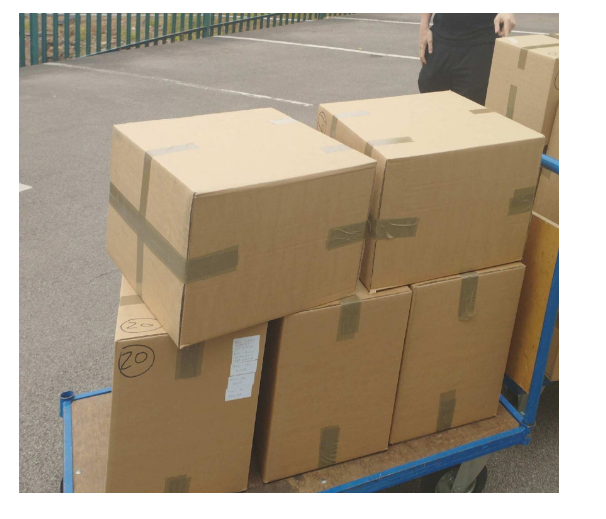
In today’s fast-paced logistics environment, businesses and individuals increasingly rely on rapid delivery solutions to meet urgent demands. The evolution of digital commerce, coupled with rising customer expectations, has significantly influenced the growth of courier operations across the UK. Companies are now prioritizing speed, transparency, and reliability, making same day delivery a crucial component of modern supply chain strategies. This shift is not only improving delivery timelines but also redefining how businesses manage last-mile logistics and customer satisfaction.
What factors are fueling the demand for faster delivery solutions?
Recent industry data shows that over 65% of consumers expect same-day or next-day delivery as a standard option. This expectation has pushed logistics providers to optimize route planning, invest in real-time tracking systems, and enhance fleet efficiency. The integration of GPS-enabled technologies and AI-driven dispatch systems is enabling quicker response times and better resource allocation.
How are businesses benefiting from these services?
Organizations across sectors such as e-commerce, healthcare, and manufacturing are leveraging rapid courier solutions to streamline operations. For instance, healthcare providers rely on immediate transportation of medical supplies, while retailers use fast delivery to reduce cart abandonment rates. Studies indicate that offering same-day delivery can increase conversion rates by up to 20%, highlighting its direct impact on revenue growth.
What role does technology play in improving courier performance?
Technology is at the core of modern courier advancements. Automated order processing, digital proof of delivery, and predictive analytics are transforming traditional logistics models. These innovations not only reduce human error but also enhance operational visibility. Reports suggest that companies adopting smart logistics technologies experience up to 30% improvement in delivery efficiency.
Are there sustainability considerations in rapid delivery services?
Environmental concerns are becoming increasingly important in logistics planning. Many courier providers are investing in eco-friendly vehicles, such as electric vans and bicycles, to minimize carbon emissions. Data reveals that green delivery initiatives can reduce operational emissions by nearly 25%, aligning with broader sustainability goals while maintaining speed and efficiency.
What trends are shaping the future of courier services?
The future of courier logistics is being shaped by automation, customer-centric solutions, and scalable infrastructure. The rise of micro-fulfillment centers and urban distribution hubs is enabling faster dispatch times. Additionally, flexible delivery options, including time-slot customization and contactless delivery, are becoming standard features. Market forecasts predict a steady annual growth rate of over 7% in the courier sector, driven by increasing digital transactions and evolving consumer behavior.
As demand continues to rise, businesses that adopt agile and technology-driven courier solutions will gain a competitive edge. The focus on speed, reliability, and sustainability ensures that modern delivery services remain a vital part of the logistics ecosystem, meeting both current needs and future expectations.