
Understanding the Role of CLO Equity Firms in Structured Finance
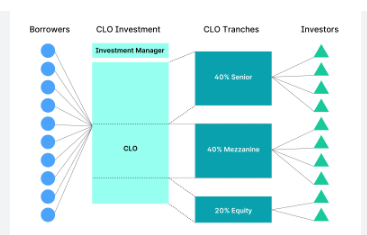
Collateralized Loan Obligations (CLOs) are a significant component of the structured finance landscape, and clo equity firms play a pivotal role in their creation, management, and performance. These firms operate at the intersection of credit markets, risk management, and investment strategy, making them essential participants in the financial ecosystem.
CLO equity firms primarily focus on investing in the equity tranches of CLOs. Unlike debt tranches, which have fixed payment priorities and are less exposed to defaults, equity tranches carry higher risk but offer the potential for greater returns. The responsibilities of these firms extend beyond mere investment; they are deeply involved in structuring CLOs, analyzing loan portfolios, and actively monitoring the underlying assets to ensure optimal performance.
The process begins with the identification and acquisition of leveraged loans from corporate borrowers. CLO equity firms collaborate with CLO managers to construct a diversified pool of these loans, aiming to balance risk and reward across the structure. They assess various factors such as borrower credit quality, industry exposure, and market conditions to optimize portfolio composition. This meticulous approach is essential because the performance of the equity tranche is directly tied to the cash flows generated by the underlying loans.
Once the CLO is structured, equity firms take on the role of active investors. They closely monitor portfolio performance, track covenant compliance, and evaluate potential credit events that could impact returns. Their insight and decisions influence reinvestment strategies and trading activities within the CLO, ensuring that the portfolio remains aligned with the investment objectives. This active involvement distinguishes CLO equity investors from passive bondholders and underscores the strategic nature of their role.
CLO equity firms also play a critical role in risk management. They evaluate market trends, interest rate movements, and macroeconomic factors that could affect loan performance. By employing sophisticated modeling and stress-testing techniques, these firms aim to anticipate potential losses and adjust portfolio strategies proactively. Their expertise in assessing risk-reward dynamics is essential for navigating the complexities of leveraged loan markets.
In addition to investment and risk management, CLO equity firms contribute to market liquidity. By participating in secondary markets and trading equity positions, they help facilitate price discovery and enable other investors to enter or exit positions efficiently. Their activity adds depth to the structured finance market, supporting overall market stability.
In conclusion, CLO equity firms serve as key architects and stewards of CLO structures. Their involvement spans portfolio construction, active management, risk oversight, and market participation. Through their strategic and analytical expertise, they help maximize returns for equity investors while maintaining a disciplined approach to risk. Understanding the role of these firms provides insight into the broader functioning of structured finance and highlights the sophisticated mechanisms that underpin modern credit markets.